Best Filling Foods That Are Low in Calories for Weight Loss: 15 Proven Picks
I'll never forget the afternoon I sat down with a single, sad-looking rice cake and a cup of black coffee, convinced I was winning at dieting. Twenty minutes later, my stomach was growling like a neglected lawnmower, and I was eyeing the office vending machine with the kind of desperation usually reserved for airport delays. That’s when I realized: the whole “eat less to weigh less” mantra is a trap if you’re not eating the right things. The real secret isn’t deprivation—it’s choosing foods that make your brain say “I’m good” long before your calorie budget runs out. After years of trial and error (and way too many sad rice cakes), I’ve landed on the best filling foods that are low in calories for weight loss—15 proven picks that actually work.
Why Fullness Matters More Than You Think: The Science of Satiety
Here’s the thing most diet advice gets backwards: you don’t lose weight by starving yourself—you lose weight by feeling full on fewer calories. The science of satiety is built on three pillars: volume, protein, and fiber. Foods high in water and air (like vegetables) stretch your stomach and trigger nerve signals that say “stop eating.” Protein boosts hormones like peptide YY and GLP-1, which tell your brain you’ve had enough. Fiber slows digestion, keeping blood sugar steady and preventing those afternoon energy crashes that send you hunting for cookies.
A landmark study from the University of Sydney (the Satiety Index of Common Foods) found that boiled potatoes scored the highest of all foods tested—seven times more filling than a croissant. But here’s the kicker: the same potato, when fried, loses most of its satiety power. The difference is water content, cooking method, and how quickly your body can break it down. When I started focusing on best filling foods that are low in calories for weight loss, I stopped counting every calorie and started paying attention to how I felt an hour after eating. That shift alone changed everything.
The psychological payoff is just as big. When you eat foods that genuinely fill you up, you stop obsessing about the next meal. You don’t have to white-knuckle through cravings. You just… eat, feel satisfied, and move on. That’s sustainable weight loss, not a crash course in misery.
Top 5 Vegetable Champions: Bulk Without the Calories
Vegetables are the unsung heroes of satiety. They’re mostly water and fiber, which means you can eat a massive bowl for under 100 calories. Here are five that have earned a permanent spot in my kitchen:
- Leafy Greens (Spinach, Kale, Romaine) – A full pound of spinach has about 100 calories. I toss a huge handful into smoothies, soups, and stir-fries. The volume tricks my stomach into thinking I’ve eaten a feast.
- Cruciferous Vegetables (Broccoli, Cauliflower, Brussels Sprouts) – These are packed with fiber and require chewing, which gives your brain time to register fullness. Roast them with a little salt and pepper—no oil needed—and you’ve got a side dish that feels indulgent.
- Zucchini and Summer Squash – Spiralize them into “zoodles” for a pasta substitute. One large zucchini has about 30 calories and a ton of water. I dress mine with tomato sauce and lean turkey meatballs for a dinner that clocks in under 400 calories.
- Cucumber – Almost 95% water. Slice it, add a pinch of salt and vinegar, and you’ve got a crunchy snack that fills you up without a dent in your calorie budget.
- Cabbage – Fermented as sauerkraut or raw in slaws, cabbage is cheap, filling, and loaded with fiber. A whole cup is about 20 calories.
Protein Powerhouses: 5 Lean Options That Keep You Satisfied
If vegetables are the volume, protein is the glue that holds fullness together. I learned this the hard way: I used to eat huge salads with no protein and wonder why I was hungry an hour later. Now I never skip these five:
- Skinless Chicken Breast – A 4-ounce serving has about 180 calories and 35 grams of protein. I grill a batch on Sundays and shred it for salads, wraps, and bowls all week.
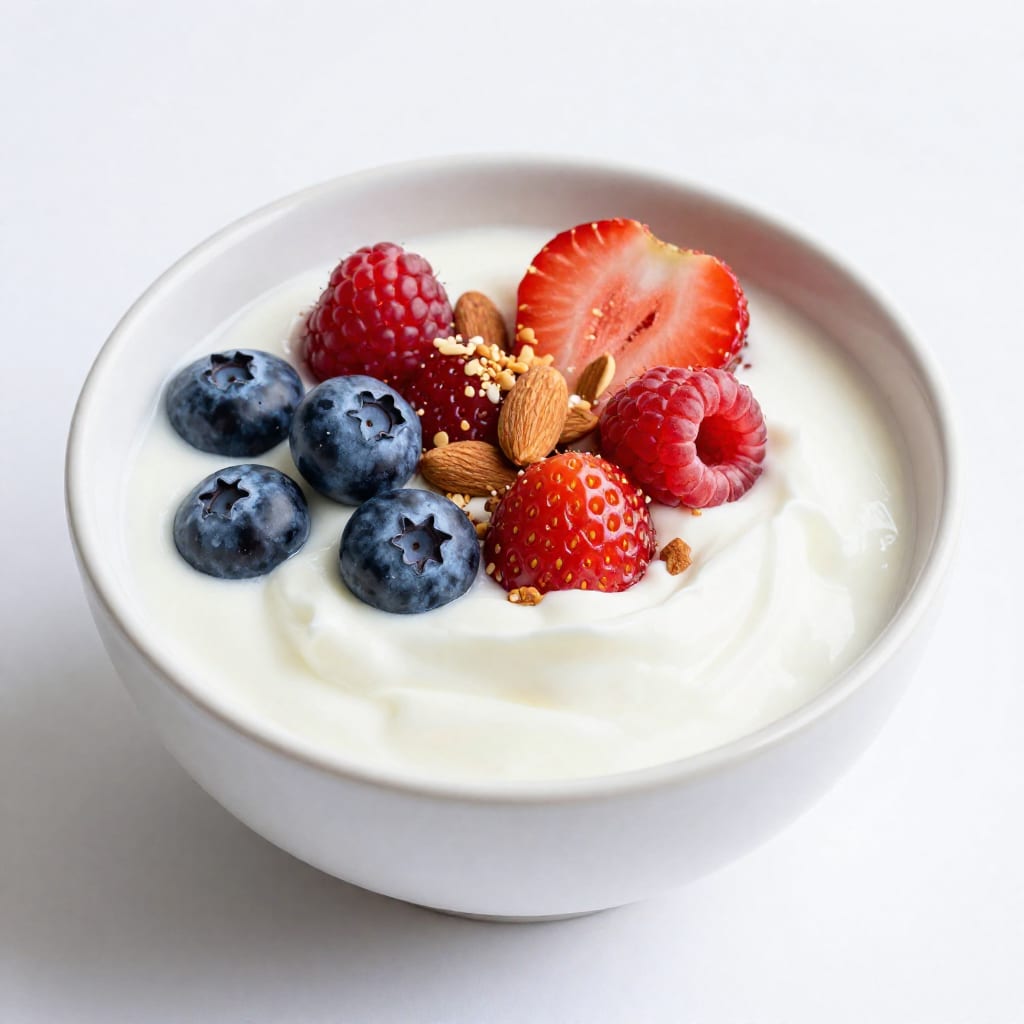
- Greek Yogurt (Plain, Nonfat) – One cup has around 100 calories and 18 grams of protein. I eat it with berries for breakfast or as a savory dip with cucumber and garlic. The probiotics are a bonus.
- Eggs – Two large eggs have about 140 calories and 12 grams of protein. A study in the Journal of the American College of Nutrition found that eating eggs for breakfast led to significantly lower calorie intake at lunch. I scramble them with spinach and a sprinkle of red pepper flakes.
- Cottage Cheese (Low-Fat) – Half a cup has 80 calories and 14 grams of protein. I mix it with pineapple or use it as a base for savory dips. The casein protein digests slowly, keeping you full for hours.
- White Fish (Cod, Tilapia, Halibut) – A 6-ounce fillet has around 150 calories and 30 grams of protein. Bake it with lemon and herbs for a dinner that feels light but satisfying.
Smart Carbs and Filling Fruits: 5 Balanced Choices
Carbs aren’t the enemy—the wrong carbs are. Refined carbs (white bread, sugary cereals) spike blood sugar and crash fast, leaving you ravenous. Smart carbs and fruits, on the other hand, provide fiber and steady energy. Here are my go-tos:
- Oats (Steel-Cut or Rolled) – A half-cup of dry oats has about 150 calories and 4 grams of fiber. I cook them with water, not milk, and top with cinnamon and berries. The beta-glucan in oats helps regulate appetite.
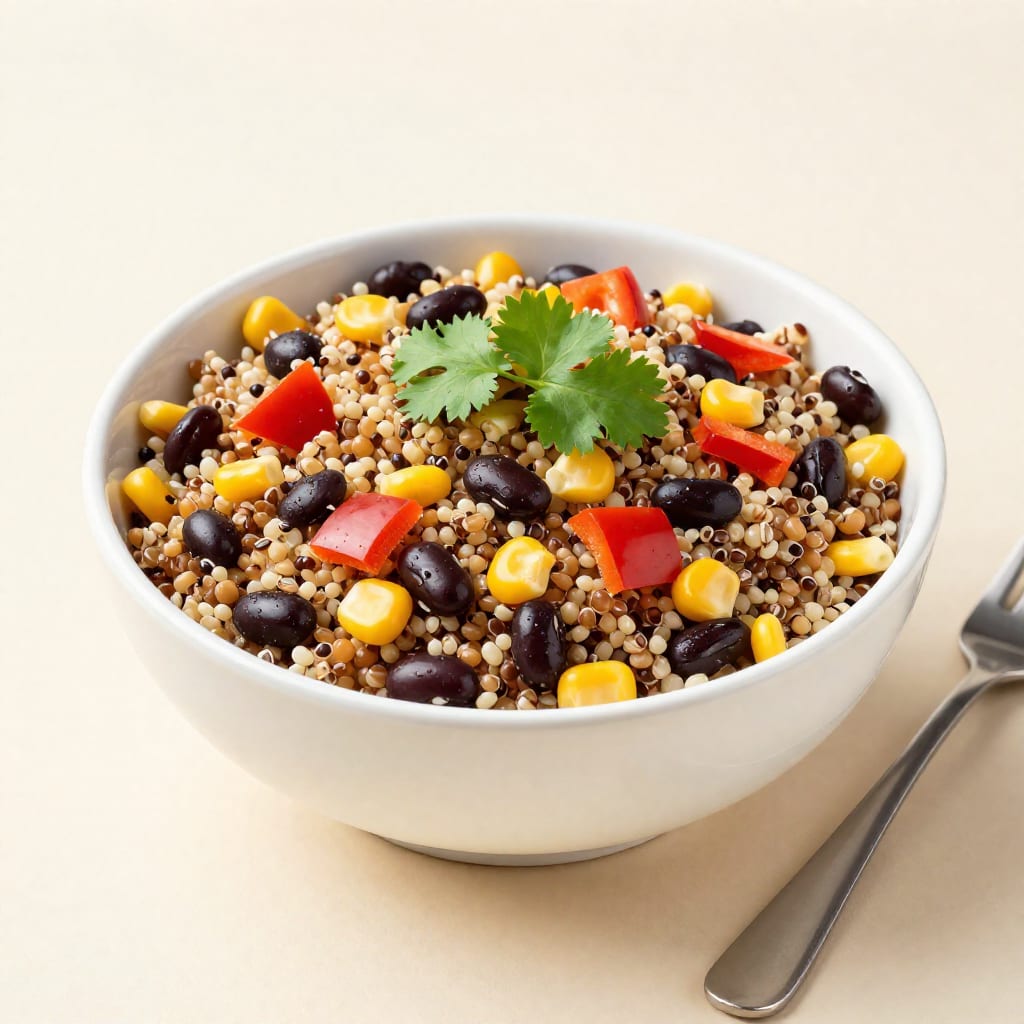
- Quinoa – A complete protein with 8 grams of protein and 5 grams of fiber per cup (cooked). I use it as a base for bowls instead of rice. It keeps me full for hours.
- Beans and Lentils – A cup of cooked lentils has about 230 calories, 18 grams of protein, and 15 grams of fiber. I add them to soups, salads, or mash them into veggie burgers. They’re a hunger-killing powerhouse.
- Berries (Blueberries, Strawberries, Raspberries) – A whole cup of strawberries has about 50 calories and 3 grams of fiber. They satisfy sweet cravings without the sugar crash of candy. I eat them frozen as a dessert or blended into smoothies.
- Apples and Pears – A medium apple has about 95 calories and 4 grams of fiber. Eating the skin matters—it’s where a lot of the fiber lives. I slice an apple and eat it with a tablespoon of peanut butter for a balanced snack.
How to Combine These Foods for Maximum Fullness (And Minimal Calories)
Knowing the foods is one thing; putting them together in a way that works is another. Here’s the formula I use, which I call the “Satiety Plate”:
- Start with a big base of non-starchy vegetables (half your plate).
- Add a lean protein (a quarter of your plate).
- Include a serving of smart carbs or fiber-rich fruit (the remaining quarter).
- Add a small amount of healthy fat (like a tablespoon of olive oil or avocado) for flavor and hormone support—but don’t overdo it, since fat is calorie-dense.
For example, a lunch that kept me full for five hours: a huge bed of spinach with grilled chicken, quinoa, cherry tomatoes, cucumber, and a squeeze of lemon. No dressing needed. The fiber from the spinach and quinoa, plus the protein from the chicken, created a slow-release energy stream. I didn’t even think about snacks until midafternoon.
Another winning combo: overnight oats made with rolled oats, Greek yogurt, chia seeds, and berries. The protein, fiber, and healthy fats work together to stabilize blood sugar. I prep three at a time and grab one on busy mornings. It’s a game-changer for breakfast.
Common Mistakes That Sabotage Fullness (Even With the Right Foods)
Even with the best filling foods that are low in calories for weight loss, I’ve made mistakes that left me hungry. Here are three to avoid:
- Skimping on Protein at Breakfast – I used to eat a bagel with cream cheese and wonder why I was starving by 10 a.m. Protein at breakfast sets the tone for the day. If you can’t do eggs, try Greek yogurt or a protein shake.
- Ignoring Fiber – It’s not enough to eat low-calorie foods; they need to have fiber. A cup of white rice has about 200 calories and almost no fiber. Swap it for quinoa or lentils and you’ll feel full longer.
- Drinking Your Calories – Juice, soda, and even smoothies (if they’re fruit-heavy without protein) can spike blood sugar and leave you hungry. I stick to water, black coffee, or unsweetened tea. If I want a smoothie, I make it with spinach, protein powder, and a small amount of fruit.
Another trap: eating too fast. It takes about 20 minutes for your brain to register fullness. I started setting my fork down between bites and chewing slowly. It felt awkward at first, but now I naturally eat less and feel more satisfied.
Frequently Asked Questions
Can I eat unlimited amounts of these filling foods?
No, even low-calorie foods have calories; portion control still matters for weight loss. A pound of broccoli has about 150 calories—that’s fine, but if you eat three pounds, you’re still adding 450 calories. The key is to eat enough to feel full without going over your daily energy needs.
Are potatoes considered a filling food for weight loss?
Yes, boiled or baked potatoes score very high on the satiety index, but avoid frying or adding high-calorie toppings like butter, cheese, or sour cream. A medium baked potato with the skin has about 160 calories and 4 grams of fiber. I season mine with black pepper and a little Greek yogurt instead of butter.
How soon after eating these foods should I feel full?
Most people feel fullness within 15-20 minutes; eating slowly can enhance this effect. If you inhale your meal in five minutes, your stomach may not have time to signal your brain. I use a timer on my phone when I’m in a hurry—it’s a simple hack that works.
Can I use these foods to reduce cravings for junk food?
Yes, because they stabilize blood sugar and provide fiber and protein, which reduce hunger spikes that trigger cravings. When I eat a breakfast of eggs and oats, I don’t crave the donuts in the break room. It’s not willpower—it’s biochemistry.
Do I need to eat these foods at every meal?
Not necessarily, but including at least one filling food per meal helps maintain satiety throughout the day. For example, if lunch is a salad, make sure it has chicken or beans. If dinner is pasta, add a side of roasted vegetables. Small tweaks add up.
Your Takeaway: Eat Smart, Not Less
The best filling foods that are low in calories for weight loss aren’t a secret—they’re vegetables, lean proteins, smart carbs, and fiber-rich fruits. The real trick is combining them in a way that works for your life. Start with one change: swap your afternoon snack for an apple with a handful of almonds, or add a side of broccoli to dinner. Notice how you feel. That awareness is more powerful than any diet plan.
I still remember that afternoon with the sad rice cake, but now I know better. My kitchen is stocked with spinach, chicken breast, Greek yogurt, and quinoa. And I’m never hungry enough to eye the vending machine again.